

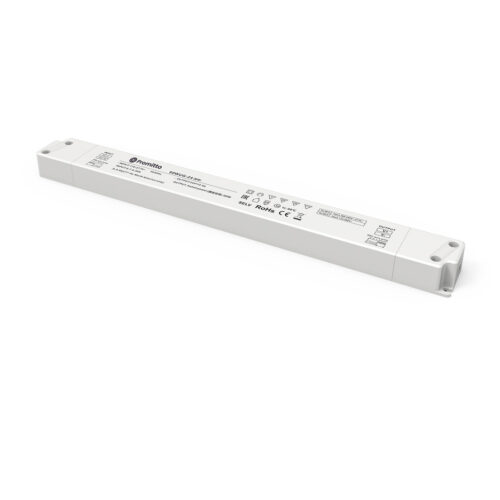
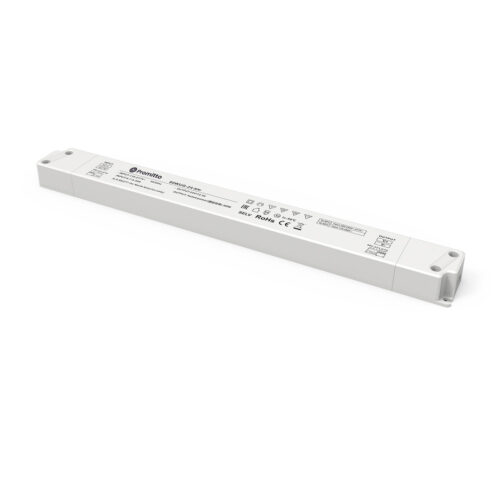
Drivers for low voltage – Do I need one?
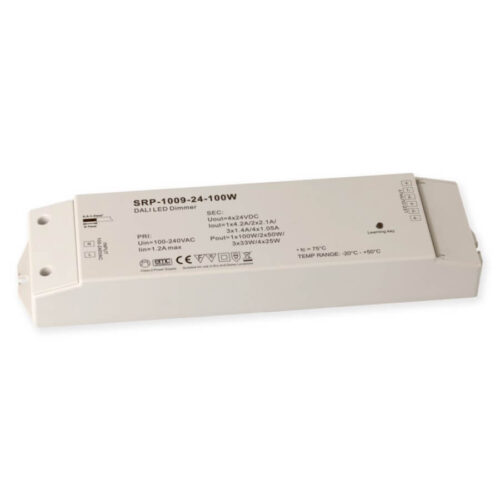
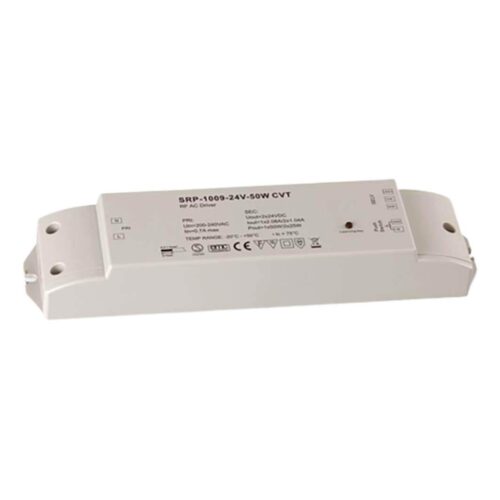
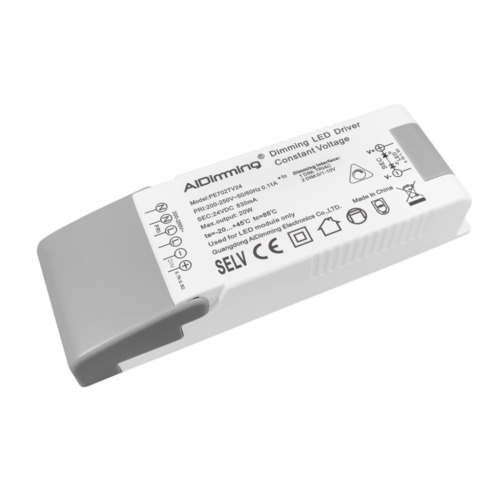
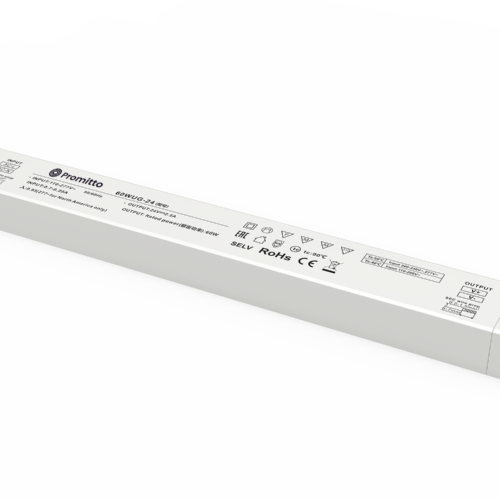
If you are using a low voltage LED strip, you will need a compatible driver to convert the main voltage to the correct low voltage output. Choosing the right driver depends on the power consumption of the LED strip and the total length you plan to connect.
Example: if your LED strip uses 4 watts per metre and you want to install 10 metres, the total power consumption is 40 watts (4W/m × 10m). This means you need a driver with a minimum output of 40W. We recommend choosing a driver with 20–30% additional capacity to ensure reliable and efficient operation.
What should I consider when choosing a low voltage driver?
There are a few important factors to consider when selecting a driver for low voltage LED lighting.
- Total power consumption: Calculate the wattage per metre multiplied by the total length of LED strip.
- Power reserve: Choose a driver with around 20–30% more capacity than the calculated load.
- Dimming: If you want to dim the LED strip, make sure you choose a dimmable low voltage driver that is compatible with your control system.
- Installation environment: For outdoor installations or areas exposed to moisture, choose a driver with the appropriate IP rating. Indoor installations may require a different type of driver.
- Voltage: Always check that the driver’s output voltage matches the LED strip, for example 24V.
Choosing the correct driver for low voltage LED strips helps ensure stable performance, a longer service life and safe operation. If you are unsure which driver you need, calculate the total wattage of your installation first and select a compatible driver with sufficient capacity.